A small chip, a narrow gap, or one uneven front tooth can draw more attention than a person expects. For readers researching 7 Smile Imperfections Cosmetic Tooth Bonding Can Correct, the useful question is not whether bonding is versatile, but where it is genuinely the right tool and where it is not.
This guide explains what Cosmetic Tooth Bonding is, how dental bonding compares with veneers or aligners, and which minor smile concerns it can often improve after a proper clinical assessment.
What Cosmetic Tooth Bonding Is (And Why It’s Used for Small Changes)
Cosmetic tooth bonding uses a tooth-coloured composite resin that is applied, shaped, and hardened to improve appearance and sometimes protect a minor defect. The process commonly involves gentle etching of the enamel, placement of a bonding agent, careful layering of material, and finishing with tooth contouring so the result blends with neighbouring teeth.
Bonding is usually best for small-to-moderate cosmetic changes rather than major bite alignment issues, heavy structural damage, or complex restorative dentistry needs. That distinction matters because a treatment that preserves natural enamel for a tiny chip may be the wrong choice for someone with significant bruxism, unstable bite alignment, or a large fracture.
Some patients also ask about comfort during cosmetic procedures, and practices such as Kohler Dentistry note the use of technologies like The Wand for local anaesthetic delivery where needed. Results still vary by tooth position, enamel condition, and habits such as grinding, so this is general information rather than personalised advice from a dentist who has examined your teeth.
Bonding vs Other Cosmetic Options
Bonding is often chosen because it is conservative and can be completed with a quicker turnaround than some alternatives. Veneers, dental veneers in wilmette il for a confident smile transformation, dental crowns, and clear aligners each solve different problems, which is why diagnosis matters more than trend.
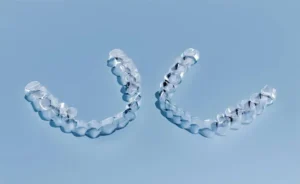
Veneers can suit broader colour or shape changes, crowns can protect teeth with more extensive loss of structure, and clear aligners can move teeth rather than merely reshape them. Modern scans help clinicians compare these options more precisely, because a tooth that looks “crooked” in a photo may actually need orthodontic movement instead of added material.
The Seven Smile Imperfections Bonding Can Commonly Correct
In everyday cosmetic dentistry, bonding is commonly used for limited defects that affect symmetry, edge definition, or shade. Suitability still depends on clinical assessment, and in some cases microscopy dentistry, restorative dentistry planning, and sensible aftercare all contribute to a result that looks natural rather than obvious.
Bonding is also often paired with minor contouring where appropriate. That matters because the most convincing cosmetic result usually comes from adjusting proportion and anatomy together, not simply adding material to a single spot.
1) Small chips and minor fractures
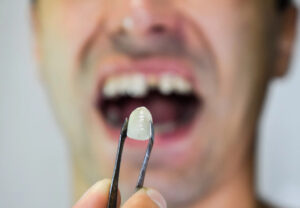
Bonding can rebuild a chipped corner or edge, smooth a sharp area, and restore a more continuous outline. In practices using Microscopy dentistry and cutting edge technology, scans and consultations can help show whether the problem is superficial or whether a deeper crack needs comprehensive care beyond cosmetic repair.
At Kohler Dentistry, Dr. Craig S. Kohler’s emphasis on in depth research and knowledge in scans and consultations reflects why small fractures should not be judged by appearance alone. Some patients ask about a New patient discount or pain free dentistry, but the more important issue is whether The Wand anesthetic is needed and whether staining over time could make a repair more visible later.
2) Small gaps (diastema) between teeth
Bonding can add subtle width to reduce a small diastema and create a more balanced look between front teeth. For patients in Wilmette, IL with uneven teeth or worn-down teeth, this approach can improve symmetry without moving the teeth themselves.
Larger gaps may be better managed with orthodontics or a combined plan. If tooth position is the main issue, your braces are off now whats the real secret to keeping your smile straight offers useful context on why retention and alignment planning matter.
3) Uneven edges and mild shape irregularities
Bonding can refine slight asymmetry, soften a jagged outline, and correct a minor discrepancy at the incisal edge. The curing light hardens each layer, but the artistry lies in shaping anatomy that matches the natural smile line rather than creating flat, overly uniform teeth.
4) Worn edges from grinding or ageing
Bonding may restore the appearance of front teeth that have shortened through teeth grinding or age-related wear. A Professional smaller practice that has a very experiences doctor that focuses on restoring and savings teeth with their advanched technology and methods from years of experience may be especially attentive to whether wear is cosmetic alone or a sign of a heavier bite problem.
Ongoing grinding can reduce how well edge bonding holds up. A clinician may therefore discuss protective options if bruxism is contributing to the damage.
5) Stains or discolouration that don’t respond well to whitening
Composite can mask localised darkening or stains resistant to whitening when teeth whitening alone does not create an even result. Surrounding tooth colour matters because shade matching is relative, not absolute, and a repair that matches today may need review if the rest of the smile changes later.
Some cases need little or no anaesthesia, while others may involve local anaesthetic for comfort. The practical point is that bonding can cover a specific patch effectively, but it does not whiten the entire mouth.
6) Slightly ‘short’ teeth or minor length differences
Bonding can add small amounts of length to improve proportion and make one front tooth look less stubby than the other. Safe limits depend on gum levels and how the upper and lower teeth meet, because adding length without respecting function can create a cosmetic fix that chips quickly.
7) Small ‘black triangles’ near the gumline
Bonding may reduce the appearance of small open embrasures, often called black triangles, by adjusting tooth contours near the gumline. Gum health and tooth position are central limits here, so the best result is often improvement rather than complete closure.
Common Mistakes to Avoid (So Bonding Looks Natural)
The most common mistake is choosing bonding for a problem that really needs orthodontics, periodontal care, or a stronger restorative solution. Cosmetic success depends on matching the treatment to the cause, not just the visible flaw.
Another mistake is ignoring bite factors, especially when bonding is placed on front edges. If the bite is not assessed and adjusted where needed, repeated contact can chip the material no matter how good the polish looks on day one.
Skipping maintenance is the third avoidable problem. Routine dental check-ups allow a dentist to catch roughness, edge wear, or staining before a small repair becomes a larger replacement.
Questions to Ask at Your Consultation
Ask what changes are achievable on your teeth specifically and what alternatives exist, including veneers, crowns, or aligners. Ask how shade matching, contouring, polishing, and aftercare will be handled so the result blends with your natural teeth.
Key Takeaways
Bonding is a conservative option for chips, small gaps, uneven edges, wear, stubborn stains, minor length differences, and small black triangles. Its strength is precision on small defects, which is why it remains a staple of modern cosmetic dentistry.
Results depend on diagnosis, bite, materials, and maintenance, and no cosmetic treatment suits every smile. A consultation can clarify whether bonding is appropriate or whether another option may be safer and more durable for your situation.
If you want a professional opinion grounded in conservative care, schedule an appointment with Kohler Dentistry or call 1847-251-9000 to discuss your concerns with Dr. Craig S. Kohler.
FAQs
Can bonding fix uneven teeth?
In many cases, bonding can improve mildly uneven teeth by adding or reshaping small areas of composite. More significant misalignment usually needs orthodontics or another plan confirmed by a dentist.
How long does cosmetic bonding last on your teeth?
Longevity varies with bite forces, grinding habits, and oral hygiene. Your dentist can give a more realistic expectation after an examination, and specific figures were not available from the provided sources.
What teeth are not suitable for composite bonding?
Teeth with extensive decay, large fractures, insufficient enamel, uncontrolled grinding, or gum disease may not be good candidates. A clinical assessment is needed to decide what is safe and predictable.
Can you reverse cosmetic bonding?
Bonding can often be adjusted or removed by a dentist, but that depends on how it was placed and whether enamel was altered. Discuss reversibility and alternatives during your consultation.