Most porcelain veneers last 10 to 15 years, and some last longer with excellent care. Composite veneers usually have a shorter average lifespan, often around 4 to 8 years, which is why material choice matters from the start.
For Wilmette patients considering dental veneers, the real question is not only how long they can last, but what affects veneer longevity year after year. Daily habits, bite pressure, oral hygiene, gum health, and bonding quality all play a major role in whether veneers stay attractive and functional or need early veneer repair or veneer replacement.
What Dental Veneers Are and Why Material Matters
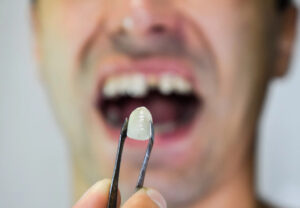
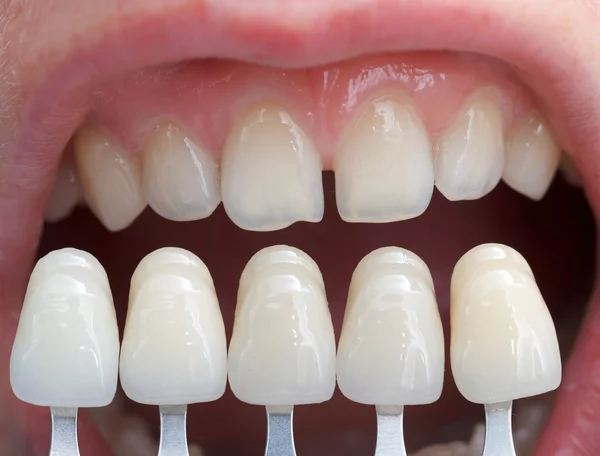
Dental veneers are thin shells bonded to the front of teeth to improve color, shape, size, and symmetry. They are a common option in cosmetic dentistry and may also support restorative dentistry goals when worn, chipped, or uneven front teeth affect appearance and function.
The two main types are porcelain veneers and composite veneers. Each offers different aesthetics, stain resistance, veneer durability, cost, and long-term maintenance needs.
Porcelain Veneers
Porcelain veneers are known for their natural appearance and strong stain resistance. They usually offer the longer veneer lifespan, which is one reason they are often chosen for a smile makeover.
Porcelain is durable, but it is not indestructible. Excessive bite pressure, teeth grinding, clenching, chewing ice, or trauma can still lead to chips, cracks, or bonding failure over time.
Composite Veneers
Composite veneers are made from composite resin, a material also used in dental bonding. They are usually more affordable upfront and can often be repaired more easily than porcelain.
They tend to wear faster and may show staining sooner. For that reason, composite veneers often need touch-ups or replacement earlier than porcelain, especially in patients who drink coffee, tea, or red wine regularly.
The Main Factors That Affect Veneer Longevity
Veneer longevity depends on more than the veneer itself. The health of the underlying tooth, the condition of the gums, the quality of enamel, and the precision of tooth preparation and veneer placement all affect long-term results.
Material quality is one major factor. A well-made porcelain veneer bonded carefully to healthy enamel usually performs better than a lower-quality restoration placed on a compromised tooth or inflamed gumline.
Oral hygiene also matters because veneers do not make teeth immune to tooth decay or gum problems. Decay at the margins, gum inflammation, and gum recession can shorten veneer lifespan even when the veneer surface still looks intact.
Bite alignment and bite pressure are also central to veneer durability. If one area of the bite takes too much force, veneers can chip, debond, or wear unevenly.
Daily habits often explain why one patient gets 15 years from veneers while another needs earlier repair. Hard foods, nail biting, using teeth as tools, and untreated bruxism can all lead to avoidable damage.
Oral Hygiene Habits
Consistent brushing, flossing, professional cleanings, and routine dental exams help protect the tooth structure around veneers. They also support gum health, which is essential because changes at the gumline can expose margins and affect appearance.
Poor oral hygiene can allow plaque to collect around veneer edges. That raises the risk of tooth decay, discoloration near the margins, and gum irritation that may shorten the life of the restoration.
Teeth Grinding and Bite Pressure
Bruxism places repeated force on veneers, especially at night when patients may not realize they are grinding. Teeth grinding and clenching can create small stress fractures that turn into visible cracks or chips later.
A night guard may be recommended if you clench or grind. In many cases, managing bruxism is just as important as choosing the right material.
Diet and Daily Wear
Hard foods can damage veneers if they are bitten directly with the front teeth. Chewing ice, nail biting, and opening packages with teeth are common causes of early chips.
Staining habits affect appearance too. Porcelain offers better stain resistance, while composite is more likely to pick up discoloration from coffee, tea, red wine, and tobacco.
Tips to Help Veneers Last Longer
Patients usually get the best results when they treat veneers like a long-term investment rather than a one-time cosmetic fix. Small habits repeated daily often determine whether veneer longevity reaches the upper end of the expected range.
For Wilmette patients, routine care close to home makes maintenance easier. Staying on schedule with exams and cleanings helps catch small issues before they turn into major replacement planning.
Protect Your Investment Every Day
Use a non-abrasive toothpaste and a soft-bristled toothbrush. That helps protect the polished surface and reduces unnecessary wear at the margins.
Floss daily and keep up with routine dental exams and professional cleanings. Healthy gums frame veneers well, while inflamed tissue can make even beautiful restorations look less natural.
Avoid Common Causes of Early Damage
Do not bite pens, chew ice, crack nuts with your front teeth, or use teeth as tools. These habits create concentrated force that can damage even well-made porcelain veneers.
Wear a mouthguard for sports. If your dentist recommends a night guard for bruxism, use it consistently to reduce stress from clenching and grinding.
Know When to Call the Dentist
Rough edges, new sensitivity, looseness, discoloration at the margin, or gum irritation should not be ignored. A minor bonding issue may be easier to correct early than after the veneer or underlying tooth is damaged.
If something feels different when you bite, schedule an evaluation. Changes in bite alignment can place extra pressure on one veneer and lead to faster wear.
When Veneers Need Repair or Replacement
Veneers may need repair or replacement because of normal wear, chips, margin leakage, bonding failure, cosmetic changes, or changes in the surrounding gums. Porcelain veneers are durable, but they are not permanent.
Many patients ask what happens after 15 to 20 years. Some veneers still function well at that point, but many need close evaluation for wear, staining at the edges, gum recession, or changes in the underlying tooth.
Veneer replacement is a normal long-term consideration, not a sign that treatment failed. The goal is to preserve tooth structure, maintain aesthetics, and plan updates before a small issue becomes a larger restorative problem.
If you are also comparing the lifespan of other restorations, Kohler Dentistry has a helpful resource on how dental crowns hold up over time and what patients can do to extend their lifespan.
Signs It May Be Time for an Evaluation
Visible cracks, recurrent staining, gum recession, bite changes, and looseness should be assessed by a dentist. These signs do not always mean full replacement is necessary, but they do require attention.
A dentist may recommend polishing, veneer repair, or full replacement depending on the condition of the restoration and the tooth beneath it. The right choice depends on bonding quality, enamel support, and the health of the surrounding tissue.
Questions Wilmette Patients Should Ask Before Getting Veneers
Good veneer outcomes begin with a careful consultation and candidate evaluation. Veneers are not the right fit for every patient, especially when untreated decay, gum disease, or heavy bruxism is present.
Patients should also understand that veneers usually involve some degree of tooth preparation and enamel alteration. That makes them different from whitening or minor dental bonding, which may be more conservative in certain cases.
A balanced conversation should cover alternatives, expected lifespan, maintenance requirements, and what replacement may involve years later. That is especially important for younger patients thinking about the long-term commitment.
Helpful Questions for a Consultation
Ask whether porcelain or composite is the better match for your goals, bite, and budget. Ask how long the dentist expects the veneers to last in your specific case rather than relying on a generic estimate.
Many people also say, “What I wish I knew before veneers?” Usually, the answer includes maintenance needs, the effect of grinding, the difference between porcelain and composite, and the fact that veneers may eventually need replacement.
For patients exploring treatment, the Kohler Dentistry offers detailed information about custom veneer options and what the process involves. If you are planning your first visit, you can also review what to expect as a new patient at the office.
Local Expertise and Next Steps in Wilmette
For patients in Wilmette, long-term veneer success depends on thoughtful planning, precise placement, and consistent follow-up care. That is where an experienced cosmetic dentistry and restorative dentistry team can make a real difference.
At Kohler Dentistry in Wilmette, patients can discuss veneer durability, candidate evaluation, tooth preparation, and long-term maintenance in a personalized setting. Dr. Craig S. Kohler, D.D.S. M.B.A. MAGD, brings cosmetic and restorative expertise that helps patients weigh appearance, function, and replacement planning together.
To schedule a veneer consultation or maintenance visit with Kohler Dentistry, call 847-251-9000. You can also reach the office online to request an appointment and discuss a plan built around long-term smile health.